
Therapeutic Cupping Integration in Tampa, FL
Therapeutic Cupping Integration combines suction-based myofascial decompression with targeted bodywork to release tight fascia, ease tension, and boost circulation, for relief that goes deeper than massage alone.
What Is Therapeutic Cupping Integration?
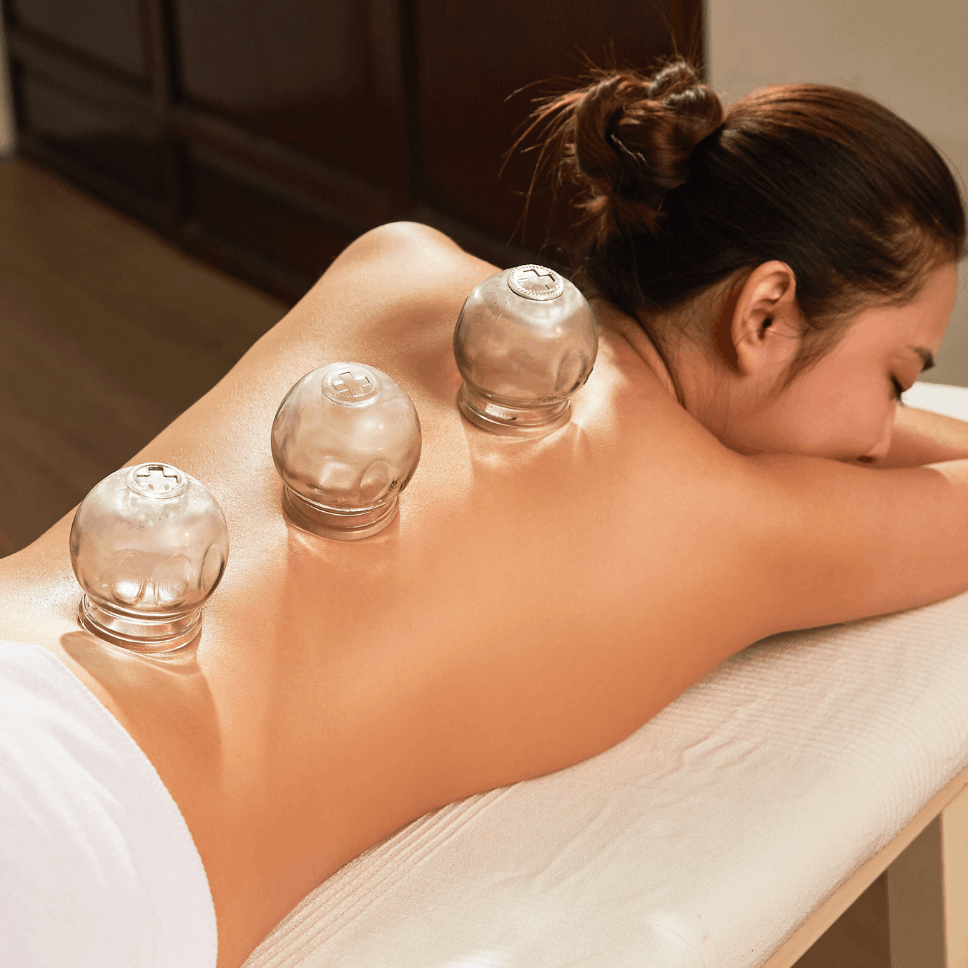
Therapeutic Cupping Integration is a bodywork technique that uses controlled suction to gently lift the skin, fascia, and
superficial muscle layers from the tissue beneath. Unlike traditional massage, which applies downward pressure, myofascial
decompression works in reverse by creating negative pressure that decompresses tight, restricted areas. At Qi Foot
Massage, this technique is combined with targeted bodywork so your therapist can move seamlessly between cupping and
hands-on massage to address problem areas precisely.
Rooted in the philosophy of Qi, or life energy, that guides all our treatments, cupping has long been used in Traditional
Chinese Medicine to encourage the free flow of energy and blood. Our approach blends this heritage with modern
myofascial release principles for a treatment that feels both time-tested and clinically informed.
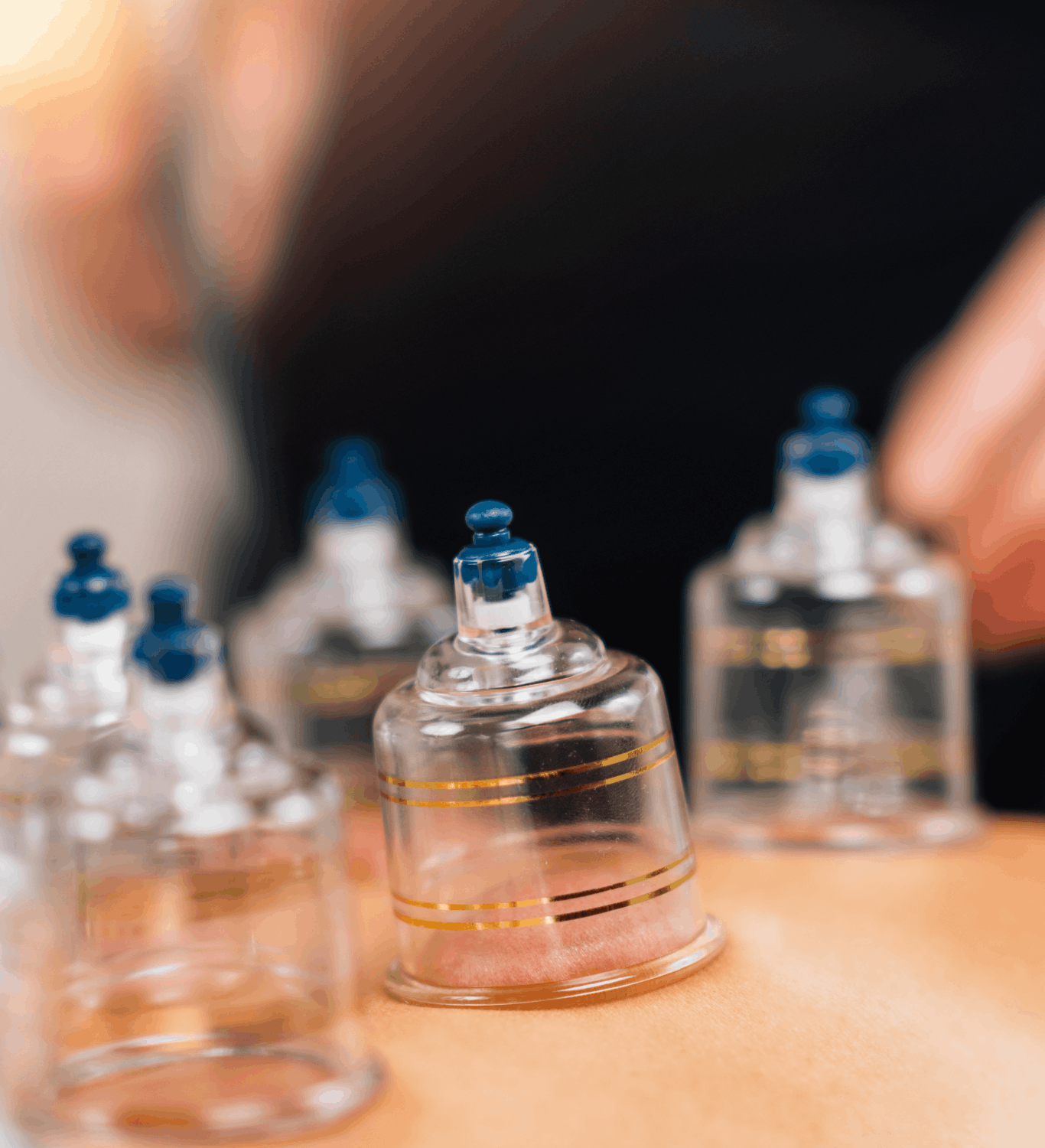
How Myofascial Decompression Works
Silicone or vacuum cups are placed on areas of tension, commonly the back, shoulders, neck, hips, or legs, and gentle suction draws the tissue upward. This decompression:
Separates layers of fascia that have become stuck or restricted
Draws fresh, oxygen-rich blood flow into the treated area
Helps loosen adhesions and “knots” that resist deep pressure alone
Creates space in tissue tightened by repetitive movement, stress, or posture
What to Expect During Your Session

Consultation
Your therapist checks in on areas of tightness, pain, or stress before beginning.

Cupping

Integration

Aftercare guidance
Frequently Asked Questions
What is therapeutic cupping integration?
Does cupping hurt?
No. Cupping creates a gentle pulling sensation rather than pressure, which most clients find relaxing. Suction strength is adjusted to your comfort level throughout the session.
Why does cupping leave circular marks?
The marks come from increased blood flow to the surface of the skin under the cup, not from bruising or injury. They’re painless and usually fade within three to ten days.
How is cupping different from a regular massage?
Massage typically applies downward pressure into the muscle. Cupping does the opposite, it lifts tissue upward using suction, which decompresses fascia and reaches restrictions that deep pressure alone can’t always release.
How often should I get therapeutic cupping?
Many clients start with one session every one to two weeks for ongoing tension, then move to monthly maintenance sessions once they feel relief. Your therapist can recommend a schedule based on your goals.
Is therapeutic cupping safe for everyone?
It’s generally well-tolerated, but it’s not recommended during pregnancy, over broken skin, or for certain circulatory conditions. Let your therapist know about any health conditions before your session so treatment can be adjusted safely.
Can cupping be combined with a full body or foot massage?
Yes. Cupping is often integrated into a broader bodywork session, so it can be paired with full body massage or foot reflexology for a more complete treatment.